
Strong photography helps builders market homes more effectively, but the right media strategy depends on what you need the property to do. A model home is usually there to market your community, design standards, and brand. Meanwhile, a spec home is there to help sell a specific move-in-ready address quickly and accurately.
In this guide, you’ll see how to approach each one differently, from shot planning and timing to licensing and delivery. If you’re building a long-term marketing library, model-home photography usually needs a broader commercial-use approach. If you’re promoting a specific listing, your spec-home media needs to stay accurate, complete, and ready for listing channels.
TL;DR
- Model homes usually need brand storytelling, reusable marketing assets, and longer-term commercial use. Spec homes need accurate, complete media that supports a specific home sale.
- Use polished hero shots, finish details, and community context for models. Use room-by-room coverage, clear exteriors, and listing-ready accuracy for specs.
- Plan aerial work with an FAA Part 107-certified drone pilot, and make sure your captions, overlays, and listing media follow fair housing guidance and local MLS rules where applicable.
- Copyright and usage rights matter. If you want to reuse photography across campaigns, community pages, brochures, and digital marketing, make sure the licensing matches that use.
- Track success differently. Model homes support community traffic, brand presentation, and sales conversations, while spec homes support listing performance and faster buyer response.
How Model Homes and Spec Homes Differ
A model home is a decorated showcase that sells the entire community. A spec home is a specific, finished house built without a buyer yet, often called a quick move-in. Because the business purpose changes, your photo brief, style, timing, and distribution change too.
The Core Decision: What Are You Really Selling?
Before you book the shoot, decide whether you’re building a reusable marketing asset or promoting one specific address. That decision affects the shot list, the media package, the turnaround you need, and how broadly you’ll want to use the final images.
- Model home: The experience of living in the neighborhood, finishes across floor plans, and the builder brand.
- Spec home: A real address with exact square footage, features, and price that must match the listing.
Builder Image Marketing: Property Type Comparison
The biggest difference is simple: model-home photography supports your brand and community marketing, while spec-home photography supports the sale of one particular home. When you match the media package to that goal, the photography becomes more useful across the channels where you actually need it.
| Factor | Model Home | Spec Home |
| Primary goal | Sell the community and brand | Sell this specific address fast |
| Visual style | Polished, lifestyle-forward, detailed vignettes | Comprehensive, factual, clear room-to-room |
| Staging | Full merchandising, props, human-scale cues | Light staging or cleaned empty; accuracy first |
| Shot list | Signature spaces, options library, amenities | Every room, exterior, storage, and system highlight |
| Timing | Early and then seasonally refreshed | Immediately at completion and pre-list |
| Distribution | Website, brochures, ads, social, long shelf life | MLS, portals, signage, short shelf life |
| Compliance focus | Fair housing language and ad targeting | MLS photo rules, fair housing, disclosure accuracy |
| ROI tracking | Model traffic, tours, and lead quality | Days-on-market, inquiries, offers |
Planning the Shoot
A well-coordinated schedule serves as the secret ingredient for capturing the true soul of a new build. This preparation allows for the perfect interplay of light and timing, resulting in a gallery that portrays your hard work in the most flattering, realistic way possible.
Define the Deliverables Up Front
For model homes, plan a hero set for your website and community marketing, a finishes/details set for your sales team, and coverage of any amenities or neighborhood context that supports the community story.
For spec homes, plan a complete listing-ready set with clear room-by-room coverage, strong exteriors, and any supporting assets you’ll use in social media, flyers, or property marketing.
Lighting, Composition, and File Choices
Technical precision in the field means your digital assets will look crisp, clean, and inviting across every marketing platform. Professional choices in perspective and lighting highlight the craftsmanship of the home, helping buyers fall in love with the small details and the big picture alike.
- Aim for bright, natural-looking images that hold detail in both interior spaces and window views without looking overprocessed.
- Keep compositions clean, eye-level, and easy to read so buyers can understand how one room flows into the next.
- For model homes, include a few detail shots that support the design story, such as finishes, lighting, or built-in features.
- Deliver professionally edited final images sized for the channels where they’ll be used.
Drone and Aerials
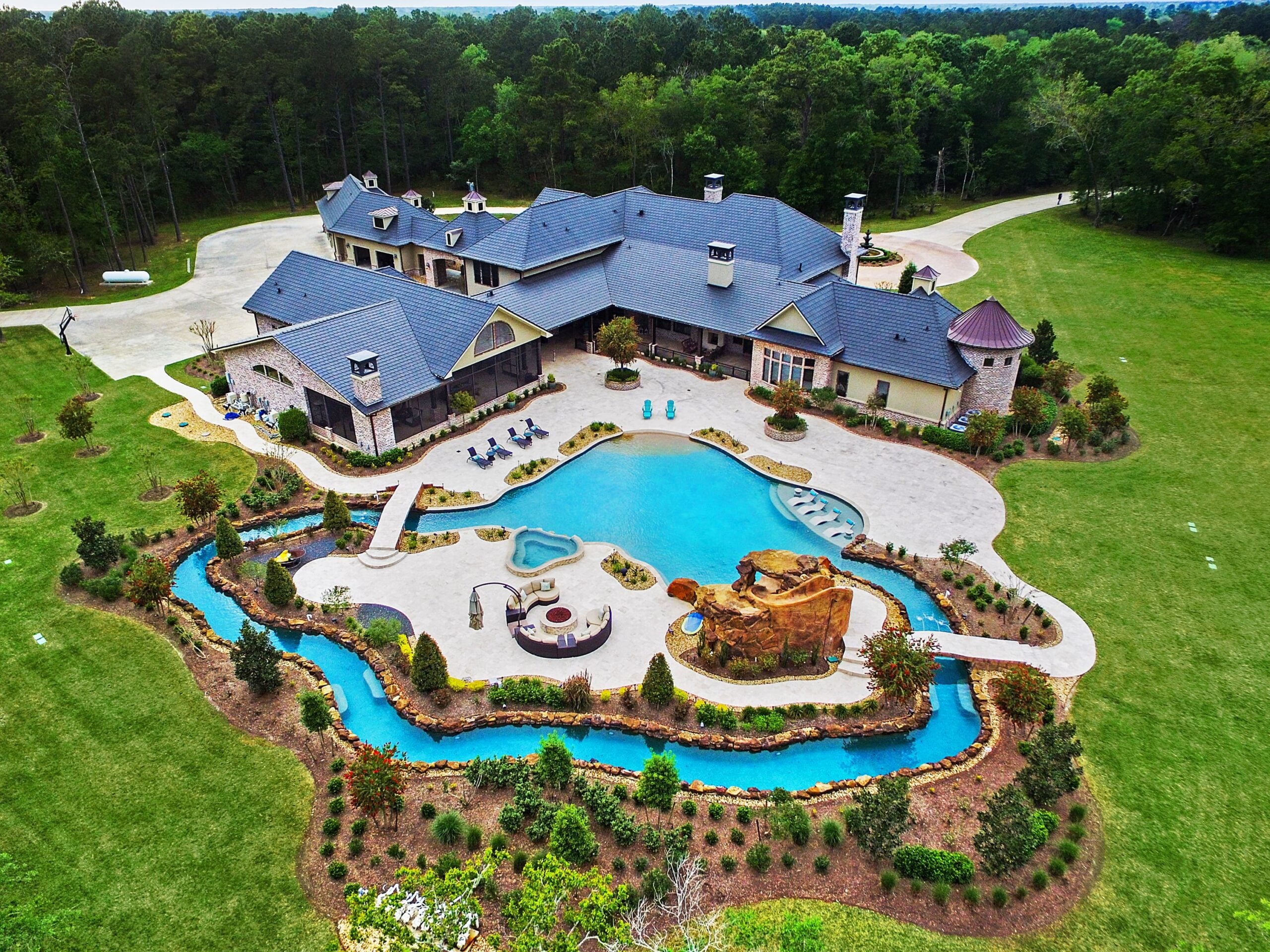
Aerials can add value for both model homes and spec homes. For model homes, they help show community context, amenities, and neighborhood layout. For spec homes, they can help buyers understand lot orientation, surrounding green space, or the home’s placement within the community.
Commercial drone work in the United States requires a Remote Pilot Certificate and compliance with FAA Part 107 rules, including airspace requirements where applicable. TK Images also offers aerial photography and video through licensed and insured drone pilots, which makes aerials a practical add-on when community context matters.
Staging and Merchandising
In models, merchandising drives emotion. Use styled dining settings, cozy reading corners, and outdoor living scenes that match the target buyer. In specs, keep it honest.
Declutter, clean, and consider light virtual staging only when it will not misrepresent built-in features. Maintain a shot that shows each room as it actually is.
MLS, Fair Housing, and Copyright Basics
These guidelines provide a clear framework for ethical marketing. This lets you focus on showcasing your builds while maintaining full control over your brand’s visual assets.
- MLS rules vary by region, so if a spec home will be listed, make sure the final media package works for your local MLS and any portal syndication requirements.
- Fair housing compliance matters in both listing media and broader builder marketing. Keep captions, overlays, and promotional copy focused on the home, the design, and the community features rather than the type of buyer you want to attract.
- Copyright and usage rights should be handled up front. If you plan to reuse photography across community pages, brochures, digital campaigns, and other builder marketing, make sure the license fits that broader use.
TK Images’ Commercial Services include an unlimited license, which is especially relevant for builder marketing that extends beyond a single listing.
Shooting Model Homes
Capturing a model home requires a focus on the aspirational lifestyle and high-end finishes that define your unique brand identity. These images serve as a long-term investment, inviting potential buyers to envision their future in a community you carefully designed.
Tell the Brand Story
Start with a clean exterior hero that feels polished enough to anchor your website, community page, or sales materials. Inside, prioritize the spaces that best represent your floor plan, finish level, and buyer experience, such as the great room, kitchen, primary suite, and any standout flex spaces.
Add a few detail shots that reinforce the design story and help your sales team talk through finishes and upgrades.
Cover Options and Finishes
Sales teams often use model-home photography to support conversations about upgrades and finish packages. Document cabinet styles, countertops, tile selections, fixtures, and other repeatable design details in a consistent way so the images can be reused across sales and marketing materials.
Show Community and Context
Capture the features that help sell the community around the model home, such as entry monuments, trails, amenities, streetscapes, and shared outdoor spaces. When appropriate, aerial coverage can help place the home within the community without overexplaining it.
Shooting Spec Homes
Efficiency and factual accuracy take center stage when preparing a move-in-ready property for a quick market entry. High-quality, comprehensive coverage builds immediate confidence with buyers, highlighting the specific features of an address to turn digital views into physical walkthroughs.
Be Thorough and Transparent
Cover the home completely and clearly. Main living spaces should have enough angles to explain layout and flow, while secondary rooms, storage areas, laundry spaces, garages, and outdoor areas should be documented in a straightforward way that helps buyers understand exactly what is there.
Optimize for Listings
Listing photos need to stay clean, consistent, and easy to read across MLS, portals, social media, and flyer-style marketing. Keep the color balanced, avoid heavy effects, and make sure the image set works across the channels where the spec home will actually appear.
Speed Matters
Once the home is photo-ready, schedule the shoot as close to launch as practical so the listing images reflect the finished product. If landscaping, sod, or exterior details are still catching up, it can make sense to photograph the interior first and refresh the exterior hero later.
Examples
These success stories offer a glimpse into the potential results for your own properties, turning abstract concepts into visible momentum for your sales team.
Regional Builder Model Refresh
A regional builder had dated images for a flagship model. We scheduled a sunrise exterior, restaged two rooms with current accessories, and added five finish vignettes.
A short drone pass showed the clubhouse and pool. The refreshed set lifted time-on-page by roughly a third and increased model tour bookings for the next two weekends. The same images anchored print ads for the next season.
Spec Home Turnaround Before Listing
A spec ranch was finished on a Thursday with no yard yet. We photographed interiors that afternoon and delivered a 32-photo MLS set Friday morning.
The home went under contract in 9 days in a market averaging closer to three weeks, helped by complete, accurate coverage and a clean hero update.
Actionable Steps / Checklist
This organized approach provides peace of mind, allowing you to focus on construction while the visual marketing strategy executes flawlessly in the background.
- Clarify the target: Model story or spec address.
- Build a shot list: Model hero + vignettes + options; or spec full coverage, room by room.
- Light schedule: Exteriors at blue hour or early morning; interiors mid-morning for even light.
- Confirm compliance: FAA Part 107 pilot for drone, local MLS photo rules, and fair housing-safe captions.
- Stage appropriately: Full merchandising for models; clean, truthful presentation for specs.
- Capture context: Community amenities and aerials for models; lot lines or nearby parks for specs when permitted.
- Deliver smart files: Consistent color, web set plus archive, and a few social crops.
- Secure rights: Written license or work-made-for-hire agreement; keep attribution and reuse terms clear.
- Measure results: Track tours and digital engagement for models; DOM and offer volume for specs.
- Refresh as needed: Seasonal exteriors for models; update spec hero once landscaping and skies cooperate.
Glossary
When everyone uses the same terminology for technical details, projects move forward without expensive misunderstandings or delays.
- Model Home: A decorated showcase used to market the builder’s brand and community.
- Spec Home: A completed, move-in-ready house built without a buyer to meet demand.
- MLS (Multiple Listing Service): A broker database that syndicates listing data and photos to portals.
- HDR (High Dynamic Range): A capture technique that blends exposures to hold bright and dark detail.
- Part 107: FAA rules that govern commercial small-drone operations in the U.S.
- Hero Shot: A primary image that anchors marketing, usually the best exterior or great room.
- Virtual Staging: Digital furnishing of a photo; useful for empty rooms when disclosed accurately.
- Work Made For Hire: A legal arrangement where the employer or commissioning party is the author of a work if strict criteria are met.
FAQ
Do I need a drone license to photograph communities from the air?
For paid or business-related flights, you need an FAA Remote Pilot Certificate. You also need to follow Part 107 rules.
Can I reuse model home photos across different communities?
You can sometimes reuse model home images, but only when the imagery is being used accurately. Model-home photos can support broader brand and finish marketing, although the usage rights should allow for that reuse. The images should never imply that another address includes features it does not have.
Should I add people to the shots?
For specs, focus on clear, empty rooms.
How many photos are right for a spec listing?
Cover every space plus strong exteriors. Most quality sets land between 25 and 45 images, depending on size.
Who owns the photos after the shoot?
In most cases, the photographer owns the copyright unless the agreement says otherwise. Builders should confirm usage rights before the shoot if the images will be reused across websites, brochures, campaigns, or affiliated marketing.
Final Thoughts
Model homes and spec homes should not be photographed the same way because they do different marketing jobs. When you match the media package to the real goal, whether that’s long-term community marketing or the sale of one move-in-ready home, the final images become much more useful across the places your buyers actually see them.
That is where TK Images can make a difference for builders: creating photography that not only presents the home beautifully but also helps each space feel welcoming, intentional, and easy for buyers to imagine as their own.