
Commercial and residential real estate photography may use similar tools, but they are built for different outcomes. Residential listing photography is usually designed for fast sale or lease marketing through MLS/CIE channels. Meanwhile, commercial photography is typically created for longer-term marketing purposes across various platforms, including websites, brochures, social media, presentations, and other branded materials.
When deciding what to book, the right choice depends on how the images will be used, how long you need them, and which additional marketing assets you require beyond still photos. If you’re booking photography for a listing, a commercial property, or a branded marketing campaign, use this guide to choose the right type of shoot and the right mix of deliverables before the appointment is scheduled.
TL;DR
- Residential listing photos are typically optimized for fast sale or lease marketing through MLS/CIE channels.
- Commercial photos are usually created for broader brand and property marketing across multiple platforms.
- With TK Images, Realtor Services are priced for one-time listing use, while Commercial Services include an unlimited license fee. That difference can shape how you book the shoot and how you plan to reuse the images.
- Listing-photo rules vary by MLS, but many markets restrict branding, text overlays, and other promotional elements. This is one reason residential and commercial shoots should be planned differently.
- Drone work for real estate photography is non-recreational, so it generally requires Part 107 compliance.
- If aerials are part of the plan, it helps to confirm that your photographer is licensed and insured before the shoot.
Key Differences That Drive Your Decision
The simplest way to think about it is this: residential photography is usually built to launch a listing fast, while commercial photography is built to create reusable marketing assets with broader usage. However, commercial and residential real estate photography serve different buyers, timelines, and channels. The most important contrasts are below.
| Factor | Residential Listings | Commercial Properties |
| Primary goal | Fast MLS marketing to drive showings | Multi-channel marketing to drive leases, sales, or brand |
| Stakeholders | Seller, listing agent | Owner, asset manager, property manager, tenants, marketing team |
| Access and scheduling | Short windows; occupied homes; light coordination | Security checks, COI, off-hours access, escorts, safety briefings |
| Visual style | Bright, welcoming, decluttered; wide coverage of rooms | Function-forward, brand-aware; hero spaces and amenities prioritized |
| People in frame | Commonly avoided on MLS; many MLSs prohibit it | Often included for scale and brand storytelling when allowed |
| Deliverables | Still photos designed for listing launch, often paired with add-ons such as aerials, floor plans, 3D tours, property websites, highlight reels, and social media reels | Broader marketing packages that can include stills, aerials, floor plans, property websites, brochures, reels, and video for ongoing branded use |
| Licensing | One-time-use listing license for sale or lease marketing through MLS/CIE channels | Commercial pricing includes an unlimited license fee; TK Images retains copyright while granting broad promotional use to the client |
| Drone Use | As needed for context, still must follow Part 107 | Frequent for site context, airspace planning, and waivers are more common |
Shooting Approach and Gear That Actually Matter
The right equipment and technique transform a standard property into a compelling visual story that captures the unique character of a space. Investing in specialized methods like drone capture and perspective correction ensures every frame serves as a powerful asset for your marketing strategy.
Residential: Speed, Warmth, and a True Picture
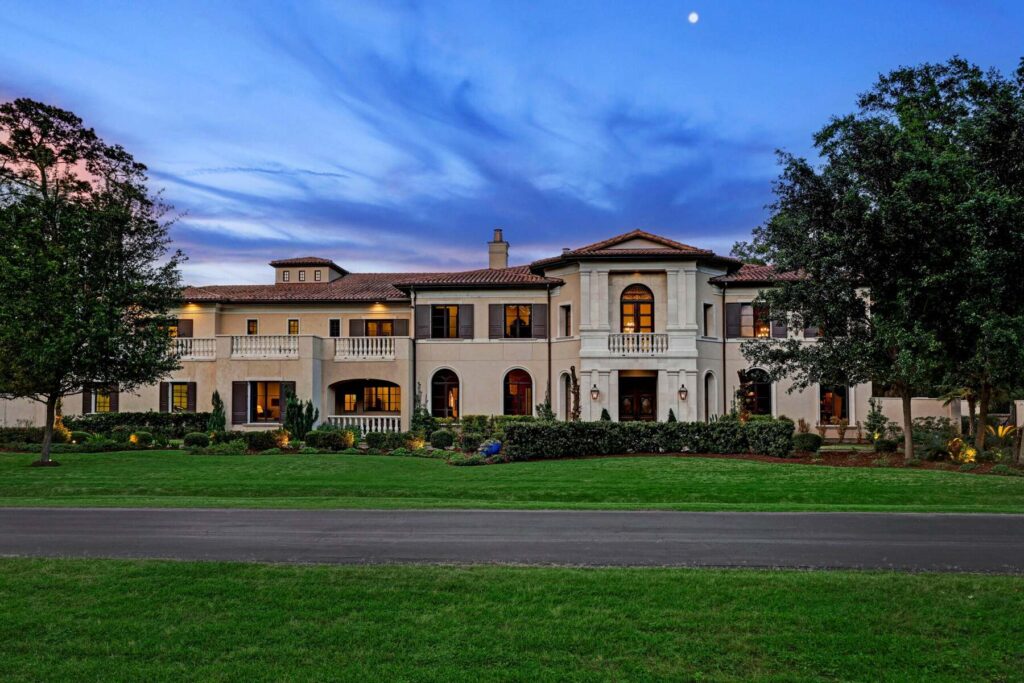
Residential listing photos are designed to help buyers or tenants quickly understand the space and decide whether to book a showing. Clean composition, accurate room coverage, and a bright, welcoming look matter most. TK Images specifically emphasizes high-quality HDR photos and professional editing, along with wide-angle coverage and standard enhancements such as straightening, color correction, balancing light, and other essential adjustments.
Because listing-platform rules are often stricter than commercial marketing rules, residential images usually need to stay focused on the property itself rather than branded or campaign-style storytelling. For many listings, the goal is not just attractive photos, but a complete launch package that may also include a floor plan, a property website, a 3D tour, aerials, or a short social media reel.
Twilight exteriors, aerials, and a few strong detail shots can add emotion without losing the practical clarity a listing needs. With TK Images, Realtor photos are delivered the next business day, which makes residential photography a strong fit when speed to market is part of the strategy.
Commercial: Planning, Permissions, and Brand Consistency
Commercial photography usually supports more than one marketing channel at a time, which is why the scope is often broader than a listing shoot. Depending on the property type, the shot list may need to cover exterior presence, interiors, amenities, customer-facing areas, and surrounding context. This may also include branded details that support websites, brochures, social media, presentations, or other long-term marketing materials.
For builder projects and commercial campaigns with assets that need to be reused across multiple channels, a visual asset library can help keep approved photos, videos, floor plans, and marketing files organized. Brand consistency matters more in commercial work because the images may stay in use across multiple campaigns and formats. For that reason, it helps to capture clean architectural lines, accurate finishes, strong hero angles, and enough variety for web pages, brochures, reels, and other branded placements.
TK Images also offers add-on assets such as property websites, brochures, floor plans, social media reels, and a legacy video. This can make a commercial shoot more useful long after the first publication date.
Exteriors and Drones: Compliance First
For real estate photography, drone operations are non-recreational, so Part 107 compliance is the relevant standard. At TK Images, all photographers are licensed and insured drone pilots under Part 107, which matters when aerials are part of either a residential or commercial marketing plan.
Aerial imagery can be useful in both categories, but it often serves different purposes. Residential aerials help show acreage, views, or nearby amenities. On the other hand, commercial aerials are often used to show site context, visibility, access, and surrounding businesses.
Night operations and flights over people or moving vehicles can be allowed when the aircraft and operation meet specific rule conditions. Some scenarios require a waiver. In controlled airspace near many downtowns and airports, use LAANC (Low Altitude Authorization and Notification Capability) to request near-real-time airspace authorization. Build this lead time into your schedule. FAA pages outline requirements, waivers, and registration details clearly.
Licensing, Rights, and MLS Rules
Clear boundaries regarding image usage prevent legal friction and ensure your marketing campaign remains compliant across all platforms. Recognizing these regulatory nuances allows you to secure the specific permissions needed for long-term commercial growth or quick residential turnovers.
Copyright Fundamentals and Usage Rights
By default in the United States, the photographer owns the copyright in the photos the moment they are created. The client gets a license to use them for agreed purposes. With TK Images, Realtor Services are priced for one-time use when the images are being used to sell or lease a property through MLS/CIE-related listing marketing.
Once the client’s involvement in that sale or lease ends, the limited license ends as well, except for very limited past-listing reference use described in TK Images’ Terms of Service. Commercial assignments typically need broader rights across web, print, social, out-of-home, and press for a longer term. If you need those rights, specify media, geography, term, and whether sublicensing to partners is allowed.
With TK Images, Commercial Services include an unlimited license fee for advertising and promotional purposes, while TK Images still retains copyright in the images. That makes commercial photography the better fit when the same assets may need to appear across websites, portfolios, print publications, multimedia, or for-sale-by-owner marketing over time.
Compliance With Local Listing Guidelines
MLS rules vary by market, but several common threads show up:
- Require at least one exterior photo and prohibit branding, watermarks, text overlays, and people in images.
- Require that photos represent the actual property.
- Always check your local MLS rules before posting to avoid removals or fines.
Pricing Logic Without the Jargon
Pricing reflects time, complexity, and rights. These levers usually matter most:
- Scope: Number of spaces, exterior angles, twilight, and details.
- Access: Escorts, security checks, off-hours scheduling, and site safety.
- Postproduction: Retouching windows, color matching finishes, and removing temporary clutter.
- Deliverables: File counts, crop variants, and print-ready masters.
- Licensing: Broader media, longer terms, and third-party use raise value.
With TK Images, the pricing structure itself reinforces the difference: Realtor Services are built around one-time listing use. In contrast, Commercial Services include an unlimited license fee and broader marketing-oriented deliverables. If you still have questions about booking, pricing, appointments, or delivery, our FAQ is a helpful next stop.
When to Choose Residential Real Estate Photography
Use residential real estate photography when the main goal is to market a home, condo, townhome, or rental property for sale or lease with listing-focused media.
- You’re preparing a home for the MLS or CIE.
- You need bright, clean photos for a new listing launch.
- The property is a house, condo, townhouse, or apartment unit.
- You want next-day listing media for an active sale or lease.
- You need add-ons like a floor plan, 3D tour, or property website for a residential listing.
- The images are tied to one listing rather than long-term branded marketing.
When to Choose Commercial Real Estate Photography
Use commercial real estate photography when the property needs broader marketing assets for branding, leasing, promotion, or repeated use across multiple channels.
- You need images for a retail center, office, restaurant, hotel, model home, or builder project.
- The photos will be used on a website, brochure, social media campaign, or printed marketing pieces.
- You want to show amenities, customer-facing spaces, signage, or brand presentation.
- The property will be marketed over time rather than only during one listing period.
- You need a broader set of assets, such as aerials, video, reels, brochures, or branded web content.
- The images may be reused across multiple campaigns, teams, or promotional materials.
Examples
These examples demonstrate the importance of matching the technical approach to the specific goals of the project, whether for a quick sale or long-term branding.
Suburban Ranch vs Downtown Office Floor
A residential ranch hits the MLS in 48 hours. The agent books a 90-minute shoot mid-morning and requests bright, clean coverage of the main rooms and a single twilight. No people, no branding, and fast delivery. Licensing covers the listing period and brokerage marketing.
A downtown office shoot may require more coordination than a residential listing, including timing around occupancy, shared spaces, operating hours, or access restrictions. The client needs hero images, amenity shots, and two sets of crops for web and print. Drone exteriors require LAANC because the building sits in controlled airspace. Licensing includes web, print, social, and investor decks for three years.
Neighborhood Retail Center Refresh
An owner plans a rebrand and new leasing push for a 6-tenant retail strip. The shot list targets sign bands, parking flow, patio seating, and evening ambiance. Tenants agree to be photographed after closing to avoid customers on camera.
The team captures golden-hour exteriors, detail shots of updated fixtures, and wide frames that allow space for ad copy. Licensing includes use across the owner’s website, social ads, and printed brochures. The images later anchor a press release and broker tour materials without needing a second shoot.
Actionable Steps / Checklist
A clear plan simplifies the process, allowing you to focus on the final results while we handle the logistical details of the shoot.
- Define your goal: MLS speed, long-term brand assets, or both.
- Lock access early: Confirm keys, security, escorts, and alarm codes. Request building guidelines in writing.
- Align deliverables: Specify image count, hero shots, twilight, drone, and crop ratios.
- Match the service type to the license: Listing-use photography for MLS/CIE marketing or commercial photography for broader ongoing promotion.
- Plan compliance: If using drones, confirm Part 107 pilot, registration, airspace, and any waivers. Schedule LAANC where needed.
- Nail licensing: List media, term, territory, and third-party sharing. Avoid vague phrases like promotional use.
- Control the scene: Tidy, hide cords, and align chairs. Label any virtual staging clearly per local rules.
- Protect the files: Ask for web- and print-ready exports. Store RAWs and finals with clear filenames for easy reuse.
Glossary
Recognizing these concepts allows for more effective collaboration, resulting in a finished product that aligns perfectly with your vision.
- Part 107: FAA rules that govern most commercial drone operations for small unmanned aircraft.
- LAANC: A system that lets approved apps request near real-time authorization to fly drones in controlled airspace.
- Work-made-for-hire: A narrow legal category where the hiring party is deemed the author and owner from creation.
- HDR: High dynamic range capture that blends multiple exposures to handle bright windows and dark interiors.
- Flambient: A blend of flash and ambient frames to create clean, natural-looking interior light.
- Blue hour: The period just after sunset when the sky turns deep blue and lights glow warmly.
- Tilt-shift lens: A lens that corrects perspective lines and controls the plane of focus, helpful for architecture.
- Remote ID: A requirement that certain drones broadcast identification and location information when flying.
FAQ
Who owns the photos from a standard shoot?
Generally, the photographer owns the copyright and licenses usage. Ownership shifts only with a valid work-made-for-hire arrangement or a written assignment.
Can I reuse residential listing photos for ads later?
Often not without expanded rights. MLS use is narrow, so negotiate broader licensing if you plan web ads, print, or billboards.
Are people allowed in listing images?
Many MLSs prohibit images with people and branded elements. Check your local rules before posting.
Do I need a drone for commercial buildings?
While you don’t always need a drone for capturing commercial buildings, aerials help show context, parking, and access. Any paid drone work must follow FAA Part 107 and local airspace rules.
What changes if we shoot at night?
When doing a night photo shoot, plan lighting. Dusk time is of the essence; everything must be ready to go. For drones, ensure legal night operations and any required authorizations in controlled airspace.
Final Thoughts
Choose the approach that matches your goal and constraints. Residential listings reward speed and clarity, whereas commercial projects reward planning, compliance, and consistent brand assets. Set expectations on access, deliverables, and licensing upfront, and your photos will work harder for you across every channel.
The easiest way to avoid mismatched expectations is to match the shoot to the job: listing-focused media for fast MLS/CIE marketing or commercial media for broader long-term use. TK Images supports both workflows, including stills, aerials, floor plans, websites, reels, tours, and video.