
Photography for a new construction home should do more than capture the finished listing. Builders, developers, and agents can use photography before completion and again after final completion to document progress, showcase craftsmanship, and create stronger marketing for current and future projects.
The key is to schedule photography at the stages that create the most value for documentation and marketing. That usually means capturing progress before completion, then scheduling a final shoot once the home is clean, complete, and presentation-ready. For teams marketing new construction, TK Images can photograph the home while it’s still taking shape and then return once the build is complete for polished final media.
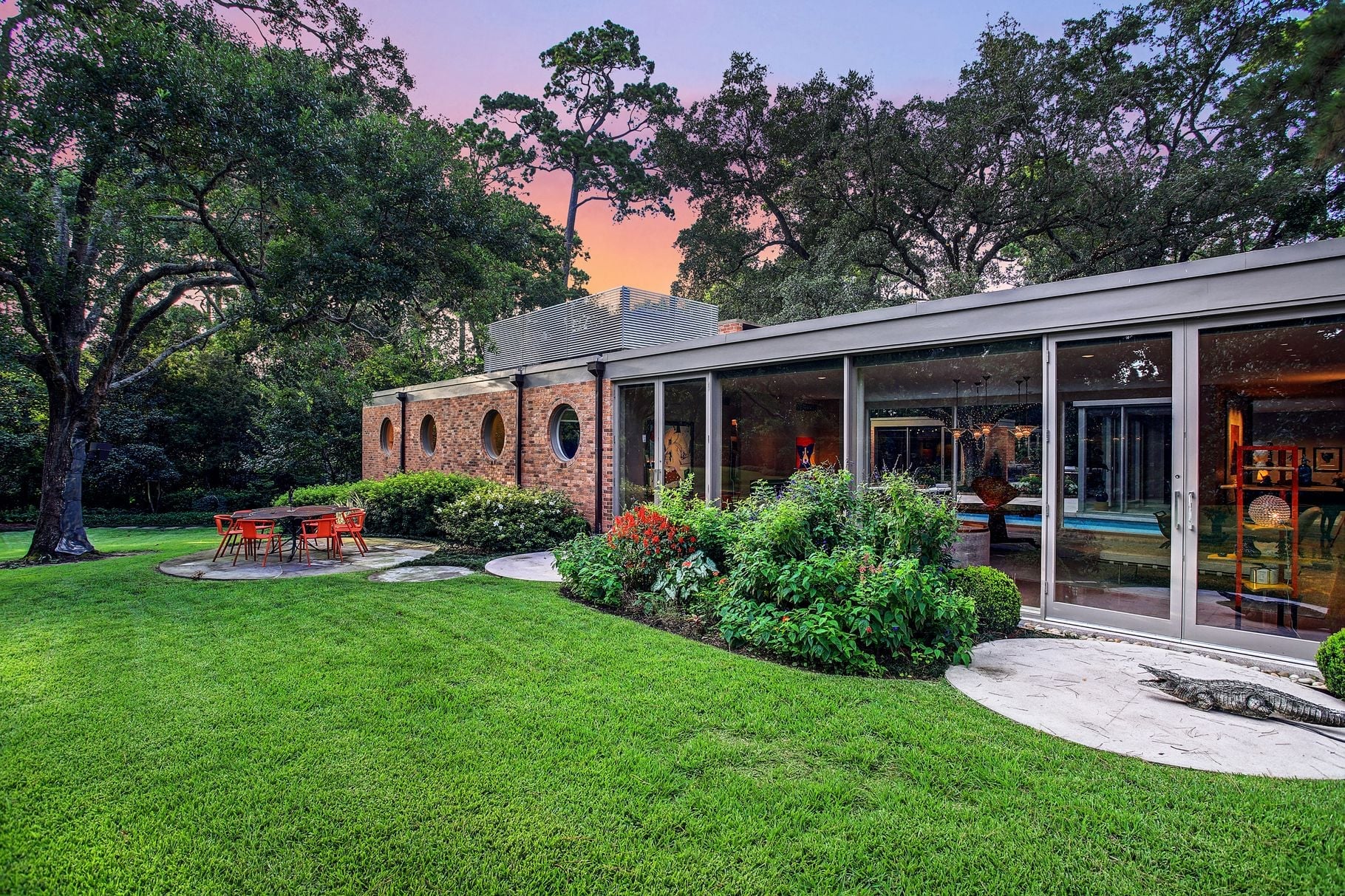
TL;DR
- Schedule five shoots consisting of site and foundation, pre‑drywall rough‑in, post‑finishes pre‑punch, final marketing, and a twilight exterior.
- Before-completion photos can be especially useful when framing, layout, and mechanical systems are still visible. This gives builders content that shows construction quality and helps explain the home before finishes are installed.
- Aim marketing photos for early morning or late afternoon light, and after a professional clean and punch.
- Follow safety rules on active sites and Part 107 if using drones. Rules on occupancy and staging vary by city.
- Clarify who owns the images in writing. By default, the photographer owns the copyright unless rights are assigned.
Why Timing Your Shoots Matters
Photos do double duty. Progress images help builders show craftsmanship, construction quality, and the story of the home as it comes together. Finished images support listings, websites, portfolios, social content, and future marketing.
Shoot too late, and you miss what is inside the walls. Shoot too early, and you fight mud, clutter, and harsh midday light. A tight schedule gets you cleaner images, lower costs, and less disruption to the crew.
When the home is complete, TK Images can also pair the final photo set with video, dusk coverage, aerial imagery, and 3D tour options to create a fuller marketing package.
The Best Times to Photograph a New Build
The best time to photograph a new construction home depends on what you need the media to do. Before completion, photography can show progress, craftsmanship, and layout. After completion, it can present the home at its cleanest and most marketable.
TK Images handles the scheduling and technical execution of these milestone shoots so you can focus on construction while gaining a high-end portfolio that moves inventory faster.
1. Site and Foundation
If a builder wants early progress documentation, an optional construction-phase shoot can capture the lot, foundation progress, and the first visible stages of the build. These images prove compliance, show workmanship, and give future owners a record of underground work. Keep gear and people outside taped or barricaded zones and use basic PPE on active sites.
2. Pre‑Drywall Rough‑In
For some builders, this can be one of the most useful before-completion stages to photograph. At this stage, photography can show framing, layout, and mechanical systems before drywall and finishes hide those details. Label rooms in file names so you can find studs, pipes, and wires years later. Many green or code verification programs include pre‑drywall checks, so align photos with those inspections.
3. Post‑Finishes, Pre‑Punch
Once the major finishes are installed, photography can start highlighting design details and architectural features while the home still feels fresh and untouched. Ask for a light trade cleanup and keep ladders, paints, and punch tags out of frame. If you plan to stage, bring a minimal kit that will not block punch work.
4. Final Marketing Shoot
Schedule the final marketing shoot after a deep clean, once punch items are complete, and when the home is ready to be shown at its best. If there are local access, inspection, or occupancy requirements that affect staging or entry, coordinate the shoot around those milestones. If you want dusk imagery, it often makes sense to capture it the same day as the final shoot.
5. Twilight and Seasonal Exteriors
Dusk photography can add warmth, glow, and curb appeal to a completed new construction home, especially when exterior lighting and interior lighting work together. If the property is delivered during a less flattering season, updated exterior photos later on may also be useful.
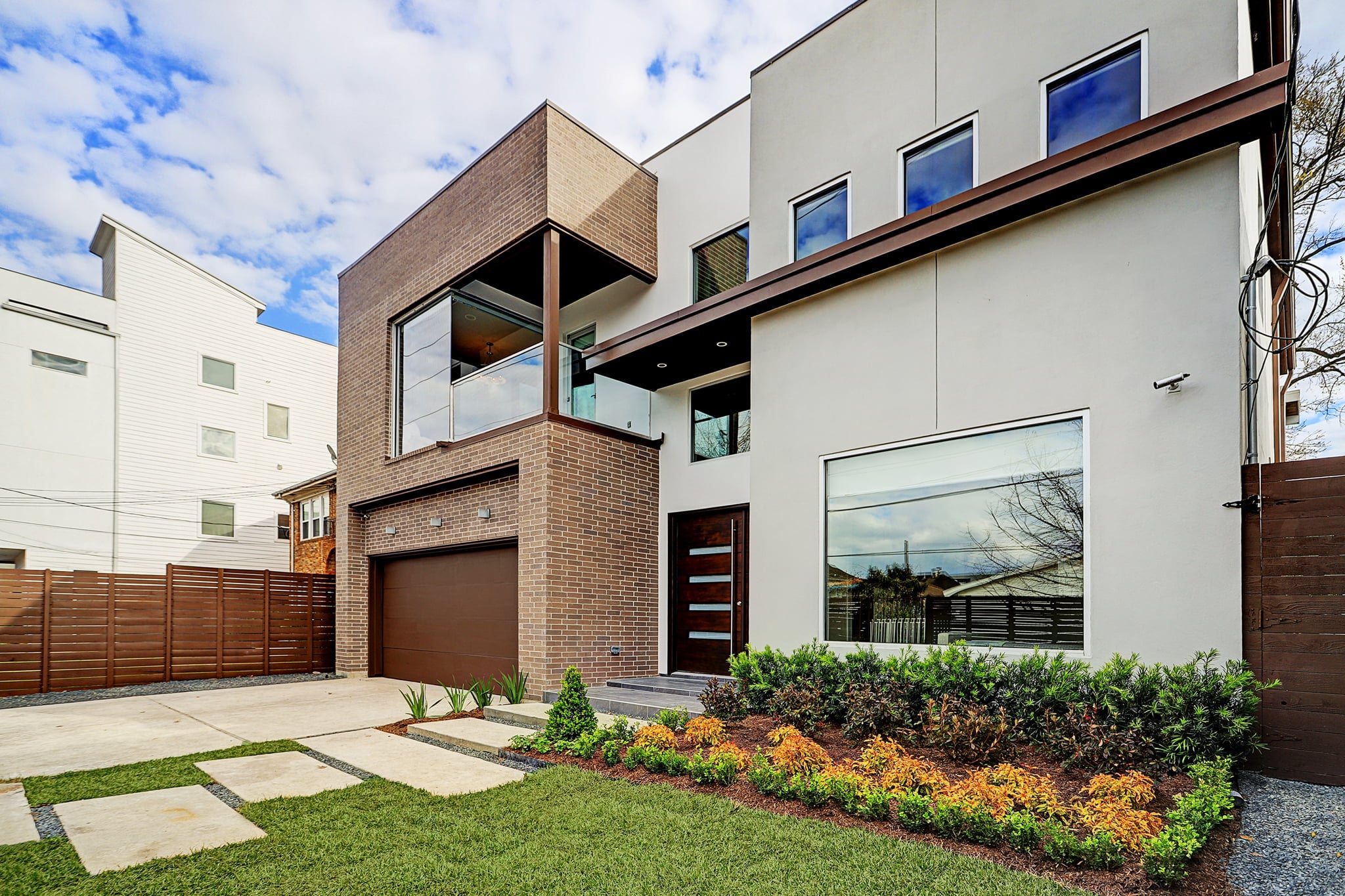
Quick Comparison of When to Shoot
Timing is everything when it comes to showcasing the craftsmanship that goes into a home. This breakdown helps you prioritize the most impactful moments for photography, from foundational integrity to the final, warm glow of a twilight hero shot.
| Stage | What You Capture | Best Use | Watch-Outs |
| Site and foundation | Footings, slab, drainage, utilities | Documentation, permitting, cand lient updates | Safety zones, harsh midday light |
| Pre‑drywall rough-in | Framing, MEP rough, air sealing | Warranty, maintenance, verification | Clutter; coordinate with inspections |
| Post-finishes, pre‑punch | Cabinets, tile, land ighting on | Portfolio in progress, presales | Tools and tags are still on site |
| Final marketing | Fully cleaned, staged rooms | Listings, website, awards | Confirm access and occupancy rules |
| Twilight exterior | Facade with warm interior glow | Hero images, ads, social | Weather, tripod stability, timing |
Legal, Safety, and Access Basics to Get Right
Protecting your business and your team is just as important as getting the perfect shot. A clear grasp of these essential protocols prevents avoidable delays and creates a secure environment where your project can be celebrated without worry.
- Drone rules: Commercial drone photography in the U.S. generally falls under FAA Part 107. That includes remote pilot certification, line‑of‑sight flying, typical 400‑foot altitude limits, and special rules for flying over people or at night. Check whether your shoot needs a waiver and fly only where legal.
- Jobsite safety: Active sites are workplaces. Follow OSHA construction safety basics and wear PPE appropriate to the hazards, such as hard hats, safety glasses, and protective footwear. Respect restricted areas and coordinate with the superintendent so crews are not delayed.
- Occupancy varies by city: Some jurisdictions require a Certificate of Occupancy or a temporary CO before anyone can occupy a newly built space. Others don’t require a CO for certain single‑family or duplex projects and rely on final inspections. Staging and marketing plans should align with your local rules.
- Who owns the photos: In general, photographers own copyright unless rights are transferred in writing or the work qualifies as a work made for hire. For TK Images, we retain rights in the images and license them for approved use, so builders and marketers should confirm the scope of use they need before the shoot.
- People and property releases: If recognizable people will appear in marketing materials, obtain a model release. Depending on the property and how the images will be used, a property release may also be worth considering.
Planning Tips for Light, Weather, and Staging
The right atmosphere breathes life into a structure, turning a simple house into an inviting home that resonates with potential buyers. Using these environmental elements effectively helps you showcase every detail in its most flattering light, making a lasting impression from the very first glance.
- Favor the time of day that gives the home the cleanest, most flattering light, and make sure all working fixtures are on for the final shoot.
- Schedule exteriors after landscaping, gutters, house numbers, and final paint touchups.
- Bring a basic kit, including microfiber cloths, blue tape, a small level, spare bulbs, and outlet covers for safety and polish.
- Build a file system that mirrors the plan set, including the lot address, date, level, room, and view.
- For twilights, arrive an hour before sunset, pre‑compose, and shoot through blue hour.
Examples
These scenarios demonstrate how professional imagery serves as both a protective shield for your reputation and a powerful engine for sales.
A Pre‑Drywall Win
A builder photographed every room and wall face at rough‑in, labeling images by floor and room. Six months after closing, the homeowner wanted a new pot filler. Photos showed the exact stud bay and copper run behind the range.
The plumber opened a 12-by-12 panel, tied in, and patched in on one visit. The builder avoided an exploratory demo and a potential callback dispute because the record was clear.
Final Shoot With Tight Turnover
A spec home hit the market in late January with dormant grass and gray skies. The builder scheduled interiors and detailed exteriors on a sunny morning, then added a twilight hero shot that evening.
Come May, the photographer returned for 20 minutes to capture a single front elevation with green landscaping and swapped that image into the listing cover and website. Showings increased, and the home went under contract the next week.
Actionable Steps / Checklist
By following a clear set of milestones, you create a consistent rhythm that captures every critical phase without disrupting the build.
- Put your key photo dates on the build schedule early, including one before completion, one at completion, and an optional dusk session if exterior presentation is a priority.
- Assign a point person to clear rooms and protect finishes during each shoot.
- If flying a drone, confirm Part 107 pilot status, airspace, and any waivers. File NOTAMs if appropriate.
- Verify local occupancy or staging rules. Aim for final photos after cleaning and punch completion.
- Use a written photo agreement covering rights, attribution, delivery specs, and timeline.
- Standardize file names by level, room, and wall direction. Store with plans and O&M docs.
- Build a shot list template so crews know what is expected at each milestone.
- Archive your best images by style and plan type for proposals and awards.
Glossary
Familiarity with these industry terms allows for smoother collaboration and helps you maintain control over every legal and technical aspect of your project’s visual assets.
- Pre‑drywall: The phase after rough‑in and before drywall, when framing and systems are visible.
- Rough‑in: Installation of mechanical, electrical, and plumbing lines before walls are closed.
- Substantial completion: The stage when the owner can use the work for its intended purpose, often before final punch.
- Certificate of Occupancy (CO): Local document confirming legal use and that a building meets code to occupy.
- Temporary Certificate of Occupancy (TCO): Short‑term approval allowing occupancy while final items are pending.
- Golden hour: Soft, warm light around sunrise or sunset that flatters exteriors and interiors.
- Remote Pilot Certificate: FAA credential required for most commercial drone operations.
- Work Made For Hire: A legal category where the commissioning party, not the photographer, owns the copyright if the law’s requirements are met.
FAQ
What is the most useful shot before completion if I only want one progress session?
A before-completion shoot while framing, layout, and major systems are still visible often gives builders the most useful progress imagery. It shows how the home is coming together before finishing by covering those details.
Should I stage a spec home before photos?
Yes, even light staging and a deep clean lift perceived value and help buyers read scale.
Can I use a drone for marketing shots without a license?
If your drone shoot doesn’t have a license, the shots can’t be used for commercial marketing. Builders need a Part 107 remote pilot or a contractor who has one.
When is the best time of day for exteriors?
The best time of day depends on the direction the front faces and if there’s extensive tree coverage. Add a twilight for a dramatic hero image.
Can I keep using the photos online after the home is sold or the campaign changes?
That depends on the license. For TK Images, we retain rights in the images and provide licensed use, so it’s important to confirm how and where the media will be used.
Final Thoughts
Photographing a new construction home before completion and again after completion gives builders a stronger visual record and better long-term marketing assets. With the right timing, the final media can support listings, builder portfolios, websites, social content, and future promotions long after the project is complete.
A well-timed photography plan turns one completed home into long-term marketing content. For builders who want the final media to work harder, TK Images can capture the finished property with photography alone or expand the shoot with dusk images, drone coverage, legacy video, floor plans, and immersive tour options that fit the way new construction is being presented today.