
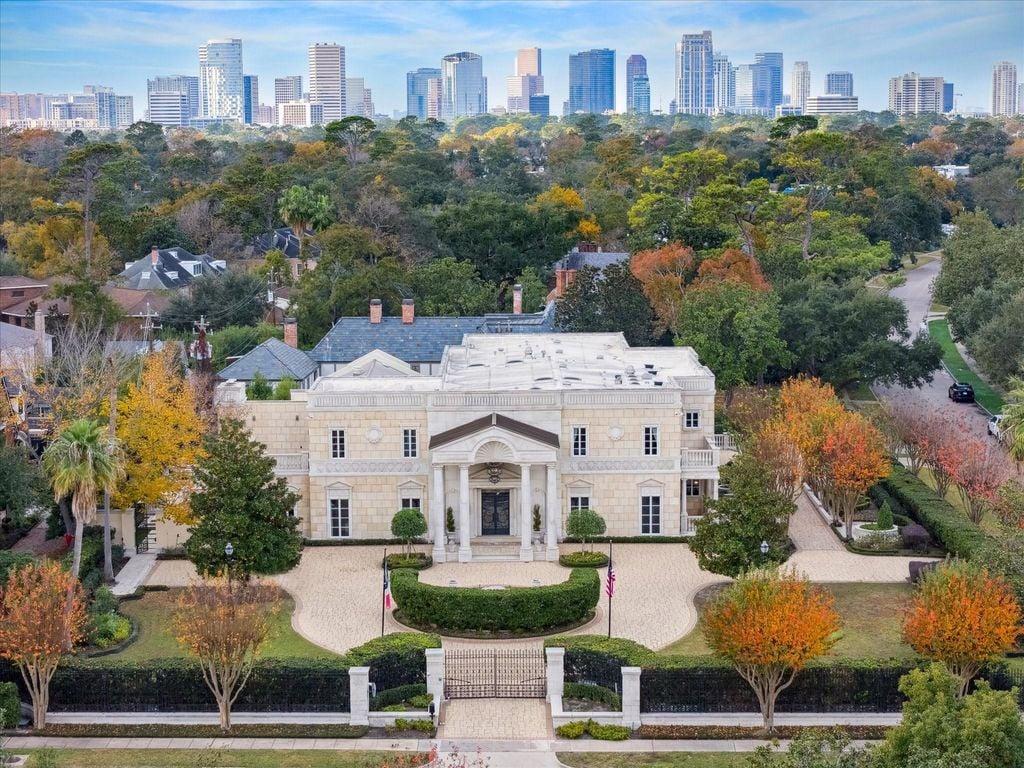
Photographing special homes requires a different level of strategy, precision, and awareness than standard real estate listings. In markets like Houston, Austin, and San Antonio, properties that fall into luxury, historic, or architecturally significant categories are not simply being sold on size or price. They are being sold on story, craftsmanship, and uniqueness. The way these homes are captured visually plays a direct role in how they are perceived, marketed, and ultimately valued by buyers.
This guide breaks down what actually matters when photographing special homes, how to approach different property types, and what today’s luxury buyers expect when viewing listing media.
What Makes a Home “Special” in Today’s Market
Not every property requires this level of attention, but special homes share a common thread. They offer something distinctive that sets them apart from the surrounding market. This could include historic significance, custom architecture, record-breaking price points, or highly curated design.
In Houston, this may include historically preserved homes or record-setting luxury estates. In Austin, it often includes modern architectural builds or lifestyle-driven properties. In San Antonio, historic charm and craftsmanship play a major role in how homes are positioned.
Buyers shopping in these categories are not looking for standard marketing. They are evaluating quality, design, and long-term value, and they expect the media to reflect that.
The New Standard for Luxury and Historic Photography
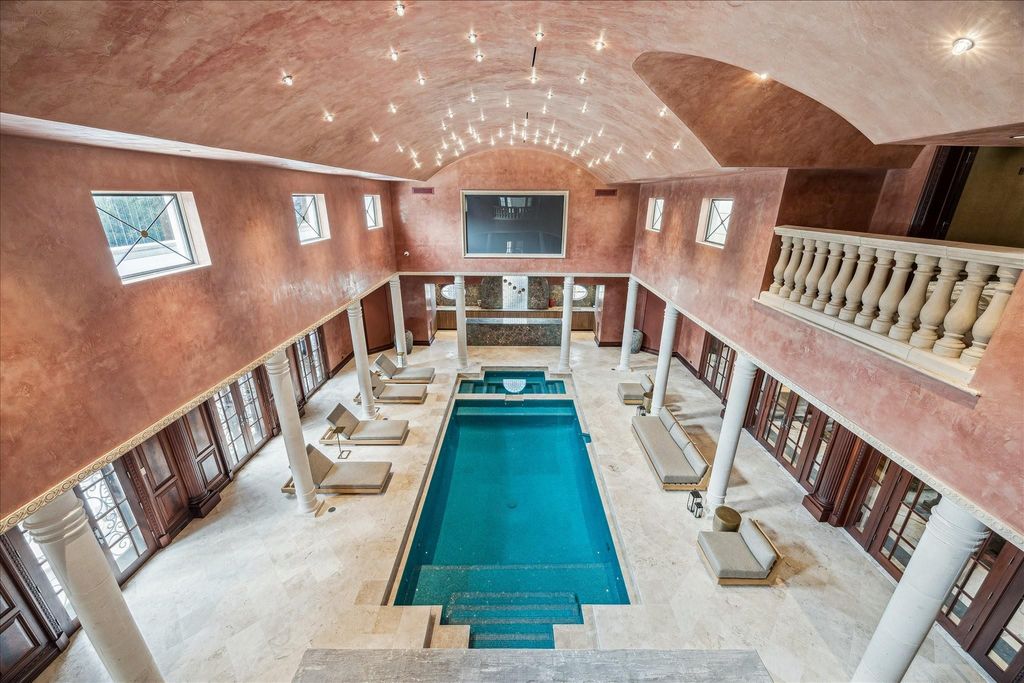
High-end buyers have developed a more refined visual expectation. They are comparing listings quickly and filtering out anything that feels inconsistent or poorly executed. For special homes, the baseline includes clean composition, balanced lighting, accurate color, and a clear understanding of the home’s layout and features.
Photography must feel polished without looking artificial. Over-editing, extreme angles, or unrealistic lighting can reduce trust. Instead, images should feel natural, elevated, and true to life. This is especially important in historic homes, where character and authenticity are key selling points.
Capturing Historic Homes the Right Way
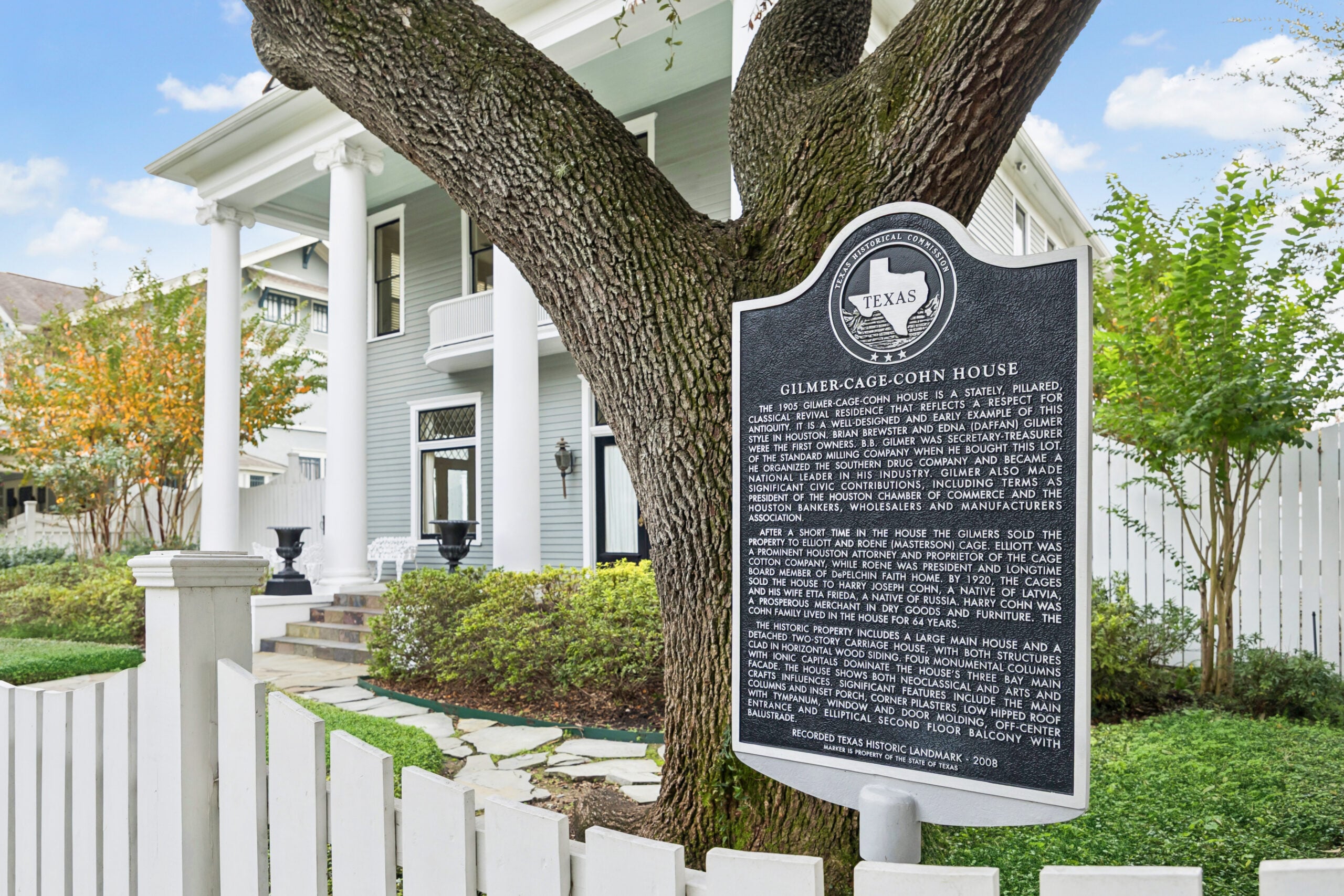
Historic homes require a careful balance between preservation and presentation. These properties often include original materials, architectural details, and design elements that cannot be recreated. The goal is to highlight these features without losing the warmth and authenticity that define the home.
Lighting plays a major role. Warm tones, natural light, and thoughtful exposure help maintain the character of the space. Composition should emphasize craftsmanship, whether that is detailed millwork, original flooring, or restored fixtures. These homes are not just listings, they are part of the city’s history, and the photography should reflect that.
In Houston and San Antonio especially, historic homes carry strong emotional appeal. Buyers are often drawn to the story as much as the structure, and the imagery should support that connection.
Photographing Luxury and Record-Breaking Properties
Luxury homes operate at a different level of expectation. These properties often include custom finishes, expansive layouts, and high-end materials that need to be captured with precision. Clean lines, straight verticals, and accurate color are critical in ensuring the home is presented at its true value.
For record-breaking homes or high-profile listings, presentation becomes even more important. These properties are often viewed by a wider audience, including out-of-market buyers. The photography must communicate scale, quality, and design in a way that justifies the price point.
In Austin and Houston, where luxury markets continue to grow, high-quality photography is one of the strongest tools agents have to position these homes correctly. Poor media can immediately undermine the perceived value, while polished visuals reinforce it.
Highlighting What Makes the Home Unique
Every special home has defining features that set it apart. The key is identifying those elements and ensuring they are captured intentionally. This could be architectural design, custom-built spaces, outdoor living areas, or unique layouts.
Photography should guide the viewer through the home, highlighting these features naturally. Wide shots establish layout, while detail shots emphasize craftsmanship. Angles should be chosen to show flow without distorting scale. The goal is not to overwhelm the viewer but to help them understand what makes the home different.
For one-of-a-kind properties, this approach is especially important. Buyers are not comparing these homes directly to others, they are evaluating them based on uniqueness. The photography must support that narrative.
Workflow That Supports High-End Listings
Photographing special homes requires preparation and intention. Walking the property ahead of time, identifying key features, and understanding lighting conditions all contribute to a stronger final product. Capture day should focus on consistency, with careful attention to angles, exposure, and composition.
Post-production should enhance, not alter. Straight lines, balanced light, and accurate color correction ensure the home looks polished without feeling unrealistic. This level of consistency is what separates standard listing media from premium real estate photography.
At TK Images, this process is built into every shoot. Whether capturing a historic home, a luxury estate, or a record-setting property, the goal is always the same. You can see examples of these standout properties in our TK Images press coverage, where our photography is featured in real estate media stories. Deliver clean, professional, and consistent visuals that elevate the listing and support the agent’s brand.
Final Thoughts
Special homes deserve more than standard photography. They require a thoughtful approach that highlights craftsmanship, preserves character, and communicates value clearly. In competitive markets like Houston, Austin, and San Antonio, the way these homes are presented can directly impact buyer interest and overall performance.
When the photography reflects the level of the property, buyers respond differently. They engage more, trust more, and understand the home before ever stepping inside. That is what turns a listing into a standout.